
I’m going to be writing book recommendations here and want a simple way of conveying how closely a story aligns with the progression fantasy genre. I’ve developed a scale 0-5. This is not a measure of quality of the story or of the progression system but instead a measure of how important the progression is to the story.
For those of you who are unfamiliar with progression fantasy as a genre, it’s essentially a fantasy (or sci fi) story that focuses on the main character’s acquisition of power and skills. Think Dragon Ball Z.
There’s an experiment to determine if a book is a romance book or not I remember from when Twilight was big. If you removed the relationship from the story, would there be any story left? If the answer is no, then it’s a romance. I’ve followed that mentality for this.
If you took out all the scenes where the MC is training/learning/crafting/gathering ingredients/ect were removed, how much book are you left with? The amount that remains will determine the score.
I could make more than 6 ratings, but I am not looking to make a granual rating system. Think of these more as buckets with variance within them. Cradle and Defiance of the Fall both are 4s despite Cradle having much more interpersonal relationships. They are each on the extremes of 4 but I still feel comfortable labeling them as progression dependant fantasy.
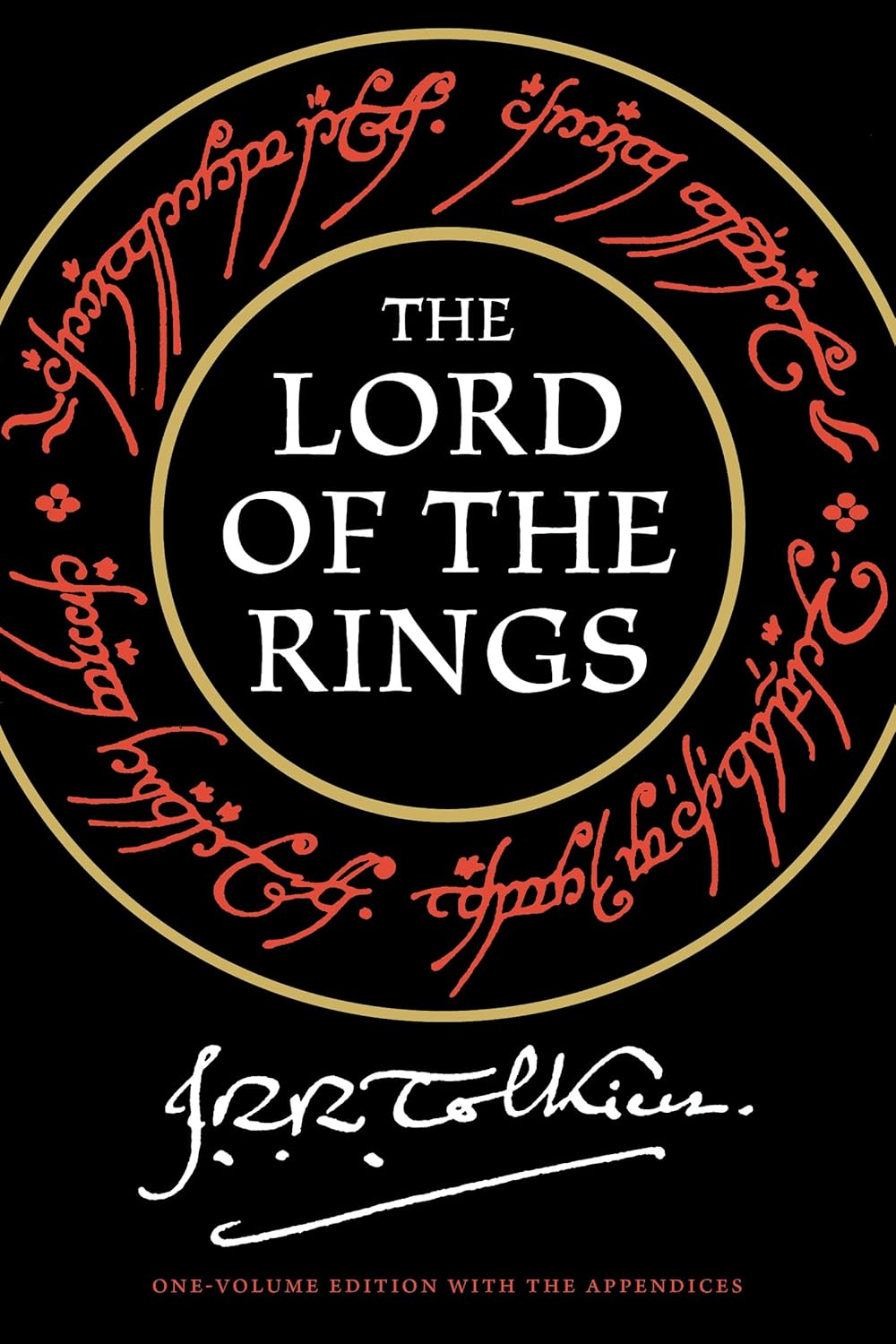
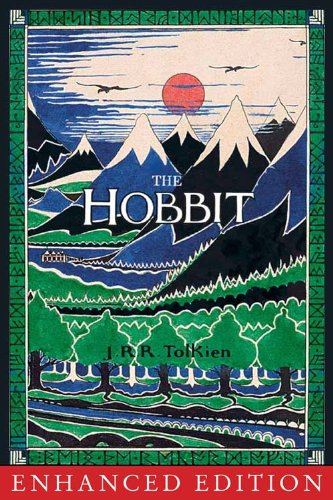
0: Books that are 0s aren’t progression fantasy by any stretch of the imagination. I may recommend these, but this is generally thrillers, horror, and even some sword and sorcery books where it’s all about the action but no one really ever improves. For a fantasy example, I’m putting The Lord of the Rings here. While the hobbits become more capable, it’s really just character growth.
1: Fantasy with progression elements. This marks the book as having plot threads that will scratch the itch progression books attack with a chainsaw. Most traditional fantasy falls here. It’s rare that a fantasy book doesn’t have the main characters progress in some way, but usually that’s a result of the plot, not the driving force of it. Progression on these will often be the MC becoming more skilled in a hard to measure way, gaining friends and allies, money, ext. Examples are The Will of the Many, Ender’s Game. In other instances, progression may be very slow in an indivdual book, but happen over a larger scale. Media tie in books like Forgotten Realms and Star Wars will often fall here.


2: Progression adjacent fantasy. This marks books that have a larger focus on power progression, but it is still not the main focus of the book. This can be because measurement is nebulous, it is happening offscreen, or the pace is very slow. Examples of this include most of Brandon Sanderson’s books. His characters always improve in abilities in a measurable way, but the pace is slower and tertiary to plot and character development. Mistborn, The Dresden Files and Red Sister are examples. Tech uplift stories also fall here if they have a slower pacing. 1632 and Destroyermen are tech uplift stories where the technological progression is plot critical, but slow.


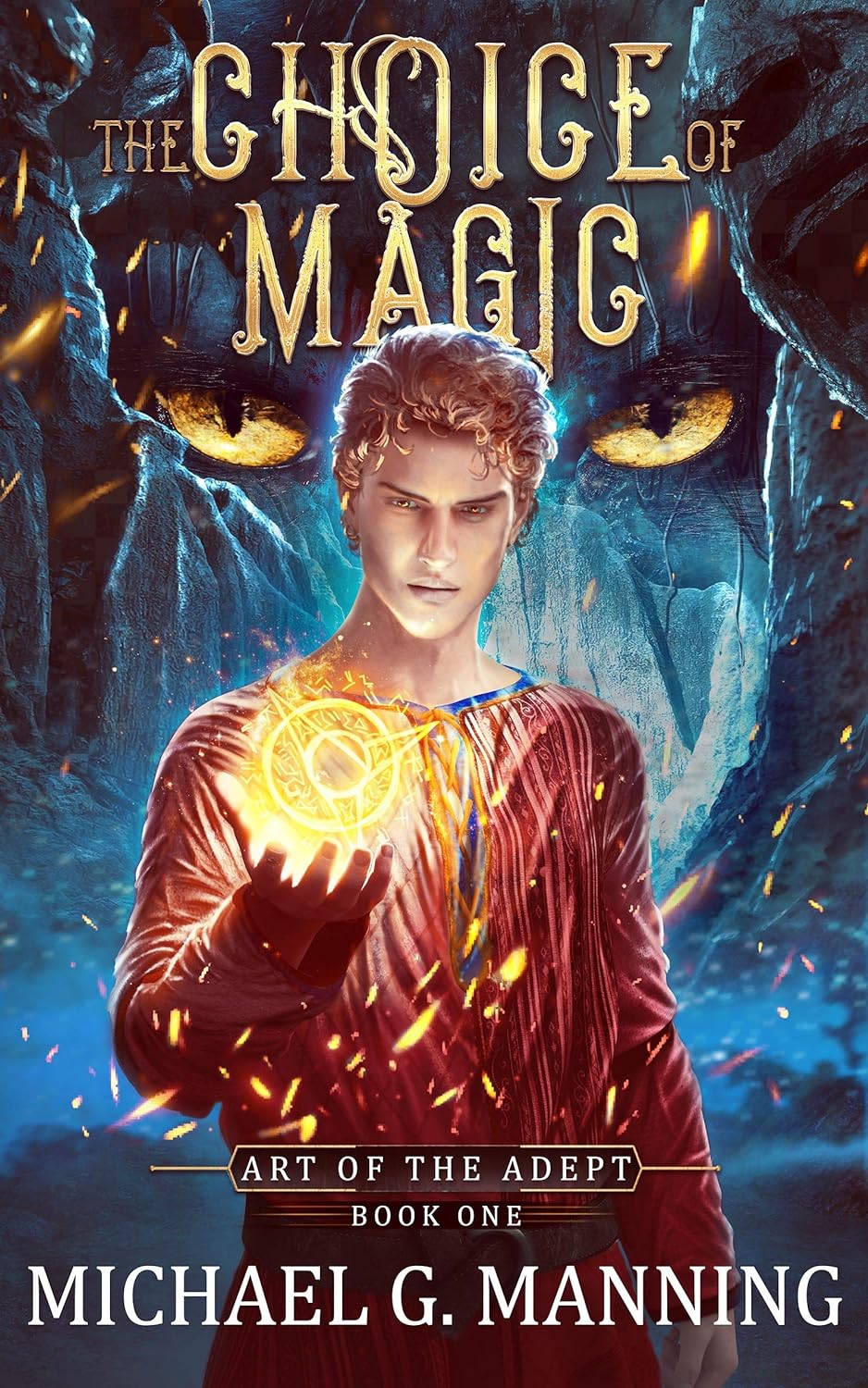
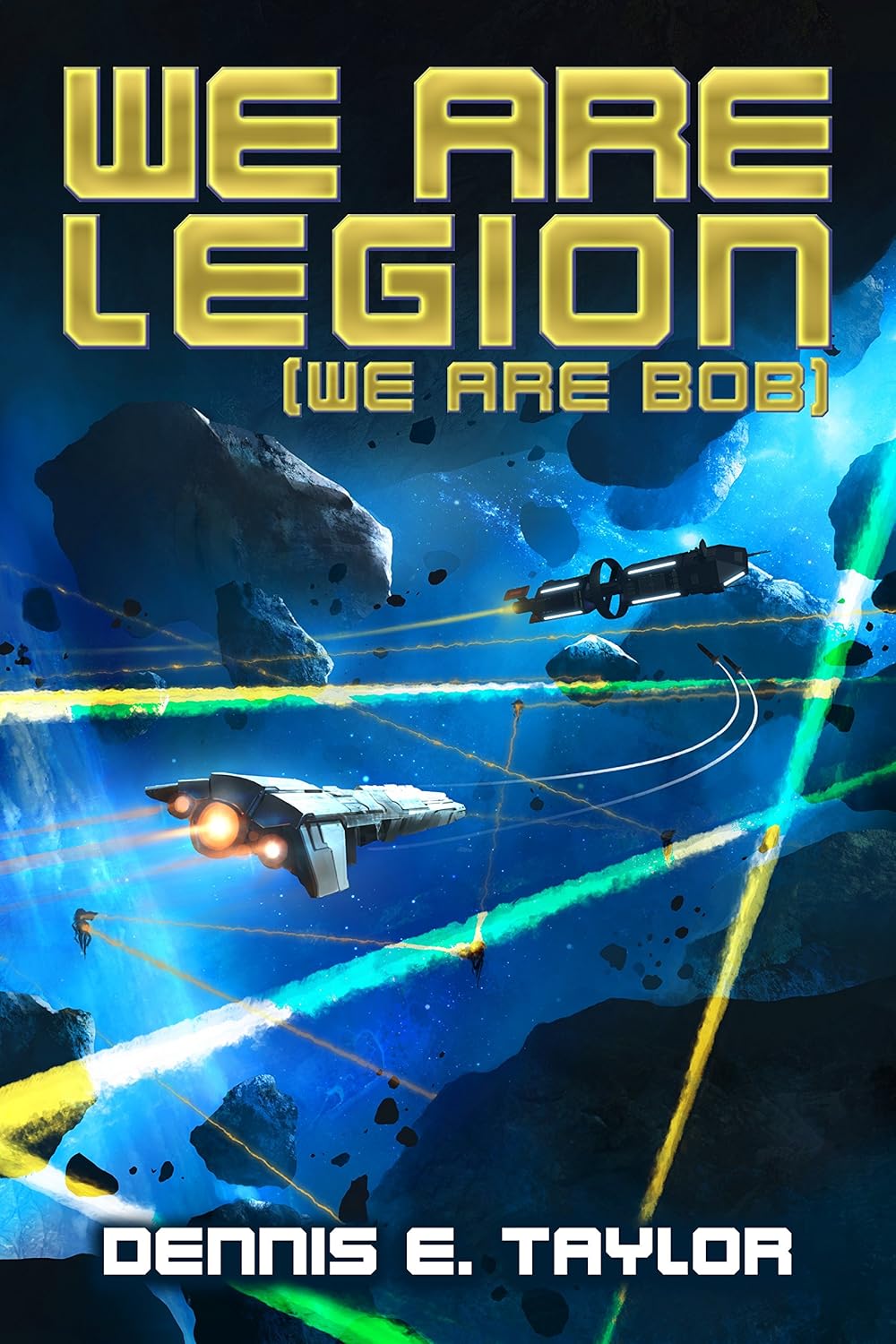
3: Progression focused fantasy. Here and up, everything is progression fantasy, but I don’t have gradient names. 3s are books where there is a clear measurable power progression that is critical to the story, but there are also more complex plot and character things going on. Art of the Adept and Unbound fall here along with Dear Spellbook. Techuplift stories were the tech is plot critical are here as well, such as the Bobiverse story.
4: Progression dependant fantasy. This is where the big progression stories lie. Progression is the cornerstone of Cradle, Primal Hunter, and Defiance of the Fall. If you removed it from the stories, there’d be something left, but very little.


5: Numbers go up. This is reserved for something like the Rock Falls story on Royal Road. Something that is pure numbers go up with no plot. No real book can be pure progression without being a parody or an excel spreadsheet.

I’m a participant in the Amazon Services LLC Associates Program, an affiliate advertising program designed to provide a means for sites to earn advertising fees by advertising and linking to Amazon.com.
 Peter J Lee - Author
Leave a comment